

Picture a SaaS company, a composite of several we've watched make this exact move. They just killed their $50/month plan.
Their reason? "Monthly users churn after a month or two."
Their solution: annual only, $480 for the year, a 20% discount on the monthly rate.
Here's the problem. That's not a pricing strategy. It's hiding from data. And the data was trying to tell them something important.
The Signal You're Ignoring
Monthly users who leave after 30 days are giving you a gift. They're showing you exactly where your product breaks down. They're telling you that your onboarding is too slow, your time-to-value is unclear, and your product isn't sticky enough to justify the next payment.
That's not a billing problem. That's a product problem.
When a user signs up, pays $50, pokes around for two weeks, and cancels, they've just handed you a diagnosis. They said: "I gave you money and attention, and I still couldn't find enough value to stay." That feedback is priceless. It tells you where the gap is between your promise and your delivery.
Killing the monthly plan doesn't close that gap. It just makes sure you never hear about it again.
What Actually Changes When You Go Annual-Only
Walk through the mechanics. Your $50 impulse buy just became a $480 considered purchase. Everything downstream shifts.
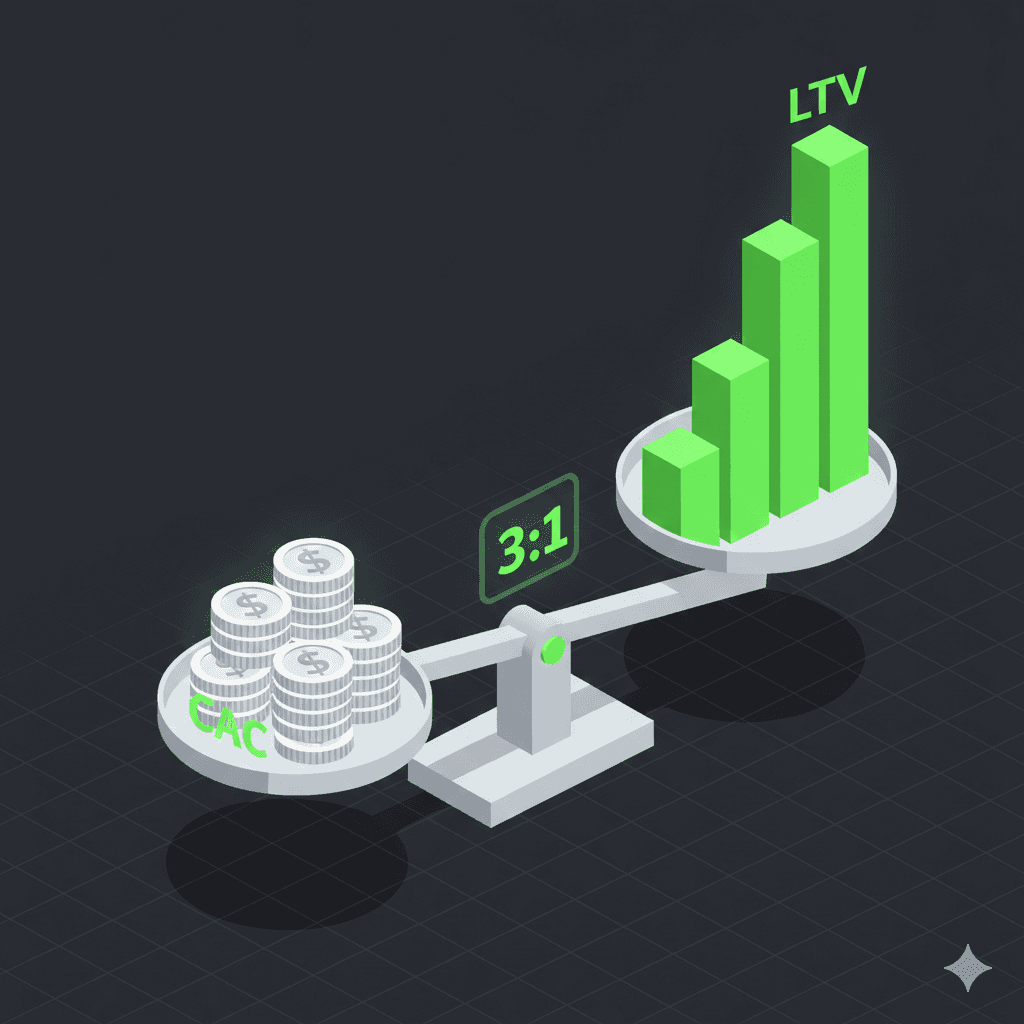
Top-of-funnel conversions crater. A founder who would have tried your tool for a month now has to commit to a year before they've seen a single insight. Your sales cycle gets longer because $480 requires justification, maybe a demo, maybe a conversation with a co-founder, maybe a comparison spreadsheet. Your CAC goes up mechanically. Same marketing spend. Fewer conversions. More hand-holding per deal.
You haven't improved your product. You've just made it harder to buy.
And the math gets worse. If your monthly conversion rate was 4% and your annual conversion rate is 1.5%, you need dramatically more traffic or a sales team to compensate. Most early-stage SaaS companies don't have either.
Churn Doesn't Disappear. It Moves.
Here's what nobody tells you about forced annual plans. The user who would have left at month two? They're still unhappy. They're just locked in now.
They're not suddenly engaged. They're not suddenly finding value. They're resentful. They stop logging in by month three. They leave a one-star review by month six. They dispute the charge by month nine. They ghost at renewal.
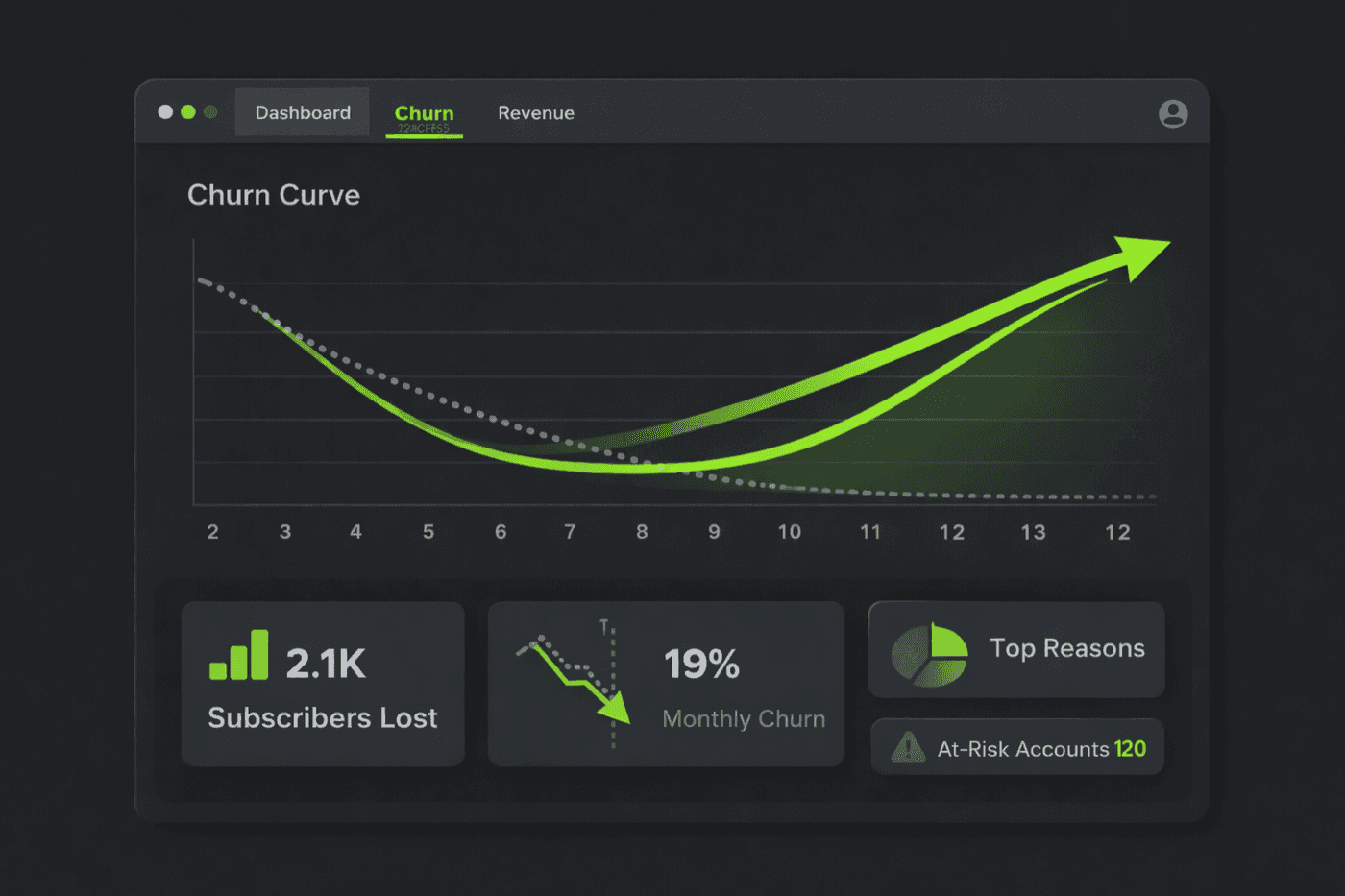
You traded month-2 churn for month-12 churn. And month-12 churn is worse because you've carried the support cost, the infrastructure cost, and the false confidence of "retained" users for an entire year. Your net revenue retention (also called net dollar retention) looks artificially healthy until renewal season hits and the floor drops out.
It's the same problem wearing a different mask.
The Monthly Plan Was Your Canary
Think of your monthly plan as a canary in the coal mine. It dies first. It shows you exactly where the air goes bad. It tells you that onboarding breaks at step four, that users don't understand the dashboard, that the first "aha moment" takes too long to reach.
Killing the monthly plan doesn't fix the mine. It kills the canary.
Now you're walking through the same toxic environment, but you've removed your only early warning system. You'll find out the air is bad when annual renewals come due, twelve months from now, when the damage is already done and the cohort is already lost.
Every SaaS company needs a feedback loop that moves faster than twelve months. The monthly plan is that loop.
To be fair, there's a real finance case for annual plans. Cash collected upfront improves working capital, funds CAC before the customer has paid it back, and makes revenue planning easier. Those benefits are legitimate, and offering annual contracts is smart. The argument here isn't that annual is bad. It's that annual-only masks churn instead of fixing it, and the mask costs you the diagnosis.
What to Do Instead
Keep the monthly plan. Use it as your diagnostic instrument. Then fix what it's telling you.
Fix your first 14 days. Map every step a new user takes from signup to first value. Where do they drop off? Where do they hesitate? Where do they close the tab? Your onboarding should deliver a concrete win in the first session, not the first week.
Instrument every step. If you can't measure the journey, you can't improve it. Track activation milestones. Know exactly what percentage of users complete setup, connect their first data source, and see their first insight. The drop-off point is your priority.
Build a quick-win workflow. Identify the single fastest path to value in your product and make it impossible to miss. For a financial platform, that might be showing a founder their burn rate and runway within five minutes of connecting their bank account. For a CRM, it's importing contacts and sending the first email. The quicker the win, the stickier the user.
Then offer annual as a reward. Once a user has experienced value, once they've logged in for the third week in a row, once they've told a co-founder about your tool, offer them an annual plan at a discount. "You're already getting value. Lock in a lower rate." That's a conversation between partners. Not a hostage negotiation.
Earn the Annual. Don't Enforce It.
Annual plans should be a reward for retention, not a substitute for it.
If your only path to keeping users is removing the exit door, you don't have loyalty. You have a hostage situation. And hostages don't renew. They don't refer. They don't expand. They leave the moment the lock breaks.
The companies with the best net revenue retention numbers, the ones investors obsess over, didn't get there by trapping people. They got there by building products so valuable that leaving felt like a loss. They earned the annual contract by proving the monthly one was worth it.
Your churn rate is a mirror. It's showing you the truth about your product experience. You can smash the mirror or you can fix what it's reflecting.
Fix the product. Fix the onboarding. Fix the time-to-value. The churn will take care of itself.
And when it does, those annual contracts will come. Not because you forced them, but because your users chose them. That's the only kind of retention that compounds.
Ready to see exactly where your users find value, and where they don't? Start your 14-day free trial and get clarity on the metrics that matter.