

Whether you're a controller running your first close at a Series A company or a founder who just realized "the books" are now your problem, the close is the same job: turn a month of raw activity into numbers someone can make a decision on.
Done well, it's quiet infrastructure, statements arrive within days, variances come pre-explained, and board reporting is an export, not an ordeal. Done poorly, every month ends with two weeks of archaeology.
What the Close Actually Produces
Three statements, one story. The P&L says what you earned and spent on an accrual basis. The balance sheet proves the ledger reconciles to reality, cash, deferred revenue, accrued expenses. The cash flow statement explains why profit and the bank balance moved differently. The close is also where revenue recognition gets enforced: for a SaaS company, the deferred revenue schedule you build every month is the exact artifact investors re-test in diligence.
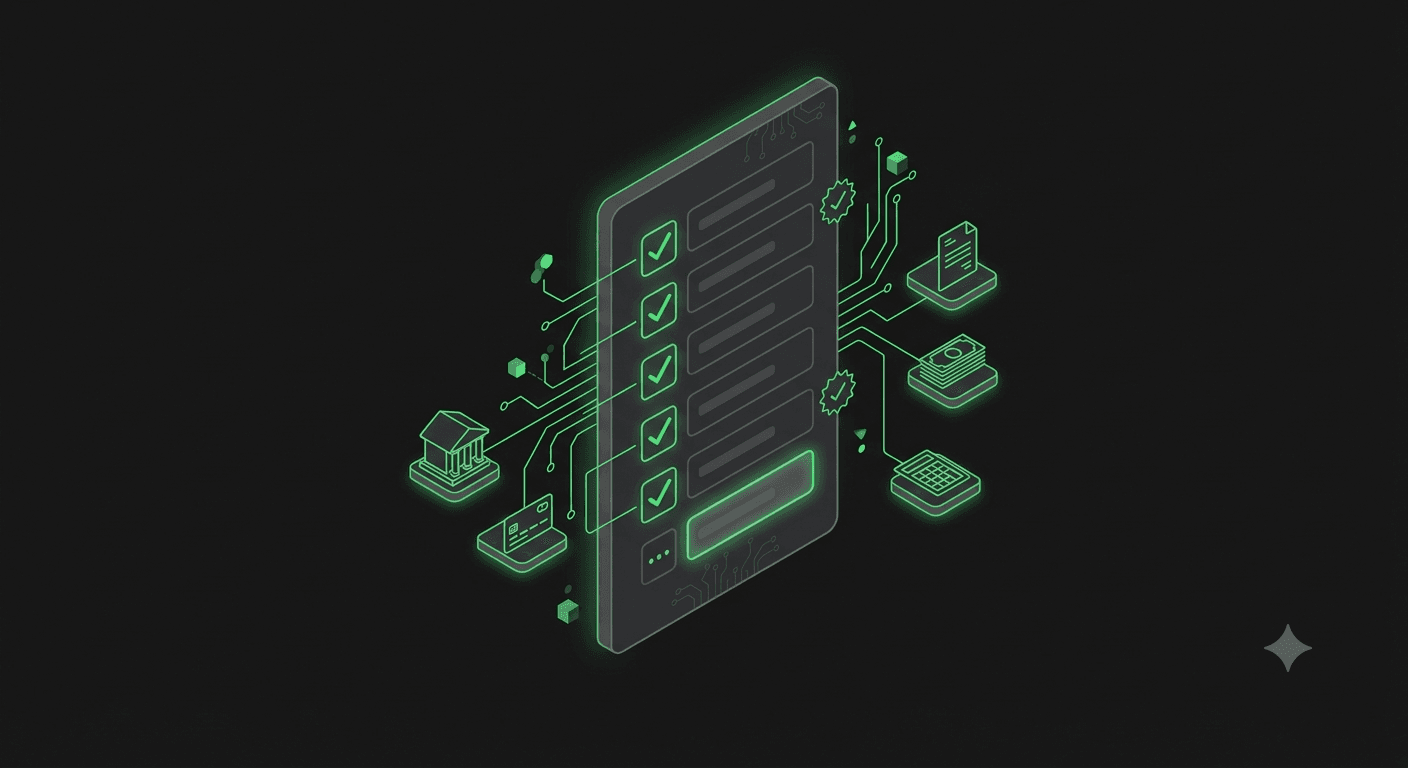
The 8-Step Close Checklist
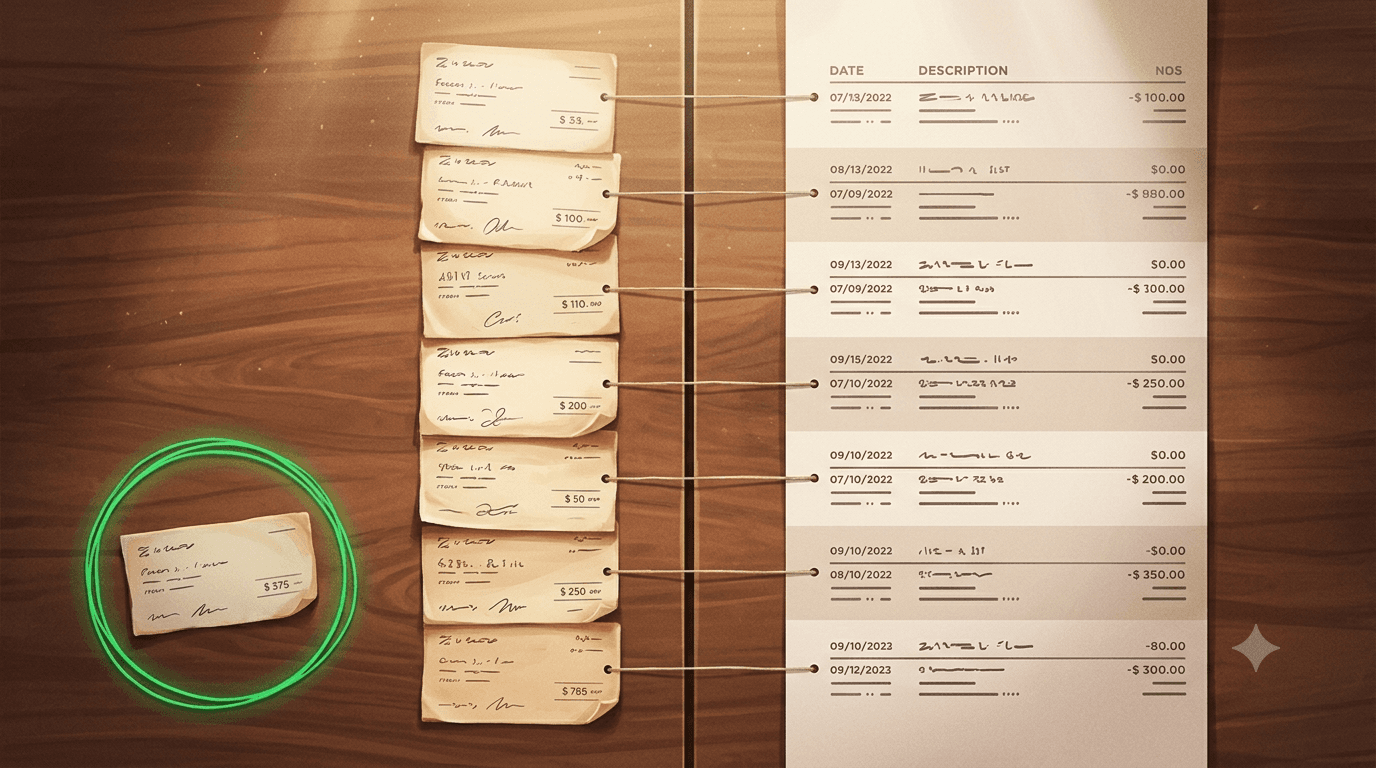
Reconcile cash, cards, and processors
Match every bank account, credit card, and payment processor (Stripe, marketplace settlements) to the ledger. Unreconciled cash is the root of most bad books.
Review AR and AP
Confirm what customers owe you and what you owe vendors is complete and aged correctly. Chase missing invoices now, not at year end.
Record accruals and prepaids
Book expenses incurred but not yet billed, and amortize prepaid contracts (insurance, annual software) so each month carries its real share.
Verify revenue recognition
Confirm revenue is recognized as earned, not as billed, and that deferred revenue rolls forward cleanly. For SaaS, this is the schedule investors will re-test in diligence.
Reconcile payroll and equity
Tie payroll registers to the ledger, including taxes, benefits, and stock-based compensation expense.
Post depreciation and adjustments
Run fixed-asset depreciation and any remaining adjusting entries, then lock the period so history stops moving.
Run flux analysis
Compare every material account to last month and to budget. Explain every variance above your threshold before anyone else asks.
Issue statements with commentary
Deliver the P&L, balance sheet, and cash flow with a short narrative: what moved, why, and what it means for the plan.
How Long Should Close Take?
As of 2026, the working benchmarks: 3–5 business days is strong, 5–10 days is typical for startups, and past 10 days your team is steering with last month's map. The variable isn't effort, it's how much of the month's work already happened. Teams that categorize and reconcile continuously walk into day one of close with 90% done; teams that batch it all rebuild the month from receipts.
Flux Analysis: The Controller's Edge
Flux analysis is the discipline of comparing every material account to the prior period and to budget, and explaining any variance above a threshold you set (say, 10% and $5K). It catches miscategorized transactions before they ossify, and it converts variance analysis from a board-meeting scramble into a standing artifact. A CFO who runs a real flux review never hears a number question they haven't already answered in writing.
Compressing the Close
Every long close has the same three causes: transactions categorized in arrears, reconciliations done monthly instead of continuously, and tribal knowledge instead of a written checklist. The fix is the same in reverse, automate categorization at the moment transactions land, reconcile as you go, and make the checklist above a living document with named owners and due days.
This is exactly the work Futureproof's AI agents take on: Vic keeps the books current daily, Theo captures and categorizes costs as they land, and the close becomes a review instead of a rebuild. The cost of skipping this compounds monthly.