

You can grow revenue every month and still not know if you made money. That's the defining problem of ecommerce finance: the platforms show you sales, but nobody shows you profit.
Between marketplace fees, ad spend, freight, duties, returns, and inventory sitting in a 3PL, the distance from "gross sales" to "what I keep" is long and full of leaks. Ecommerce accounting is how you map every leak, and it's the foundation for every good decision you'll make about pricing, purchasing, and channels.
Why Ecommerce Accounting Is Different
Standard small-business bookkeeping assumes money in, money out, one bank account. Ecommerce breaks that model in four ways:
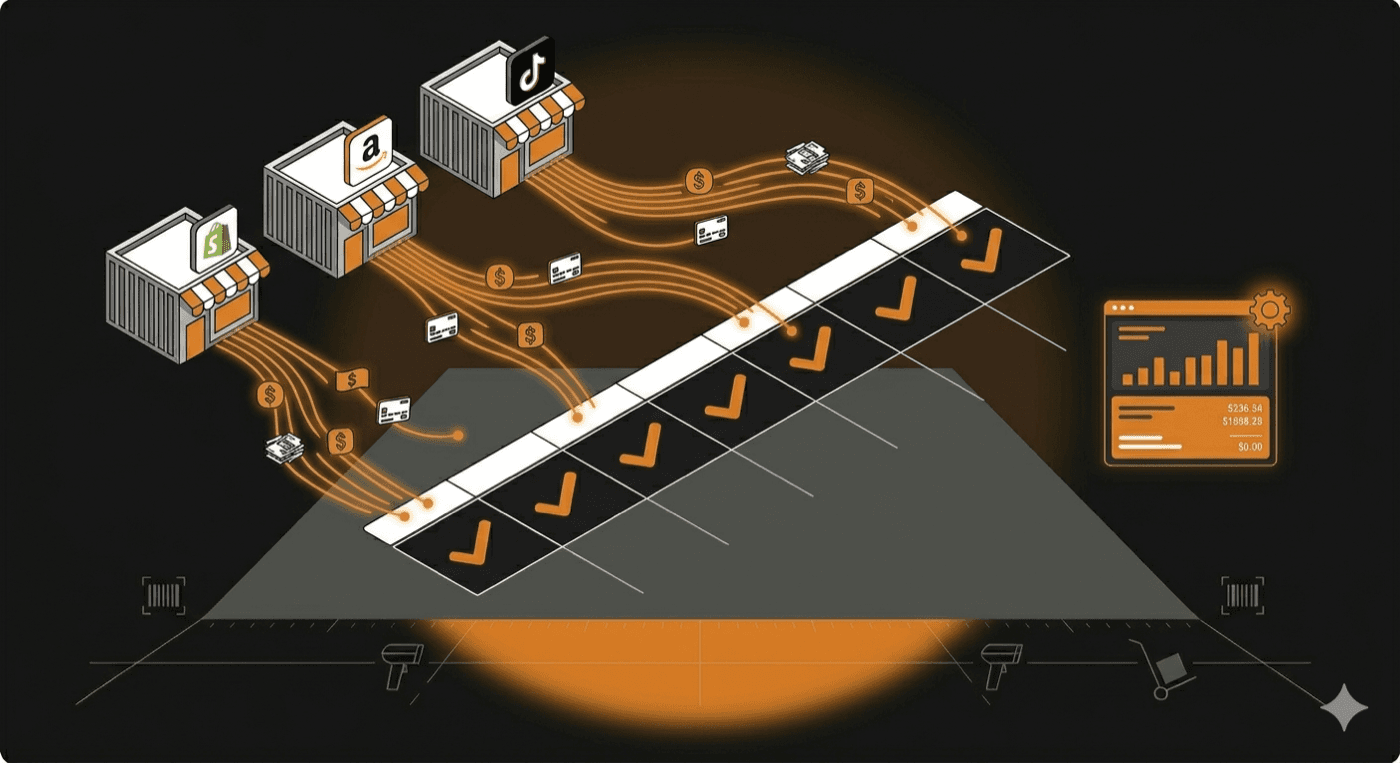
- Revenue arrives as net settlements. Amazon and Shopify deposit lump sums that bundle sales, fees, refunds, and reserves across mismatched date ranges. Booking deposits as revenue understates both your sales and your costs.
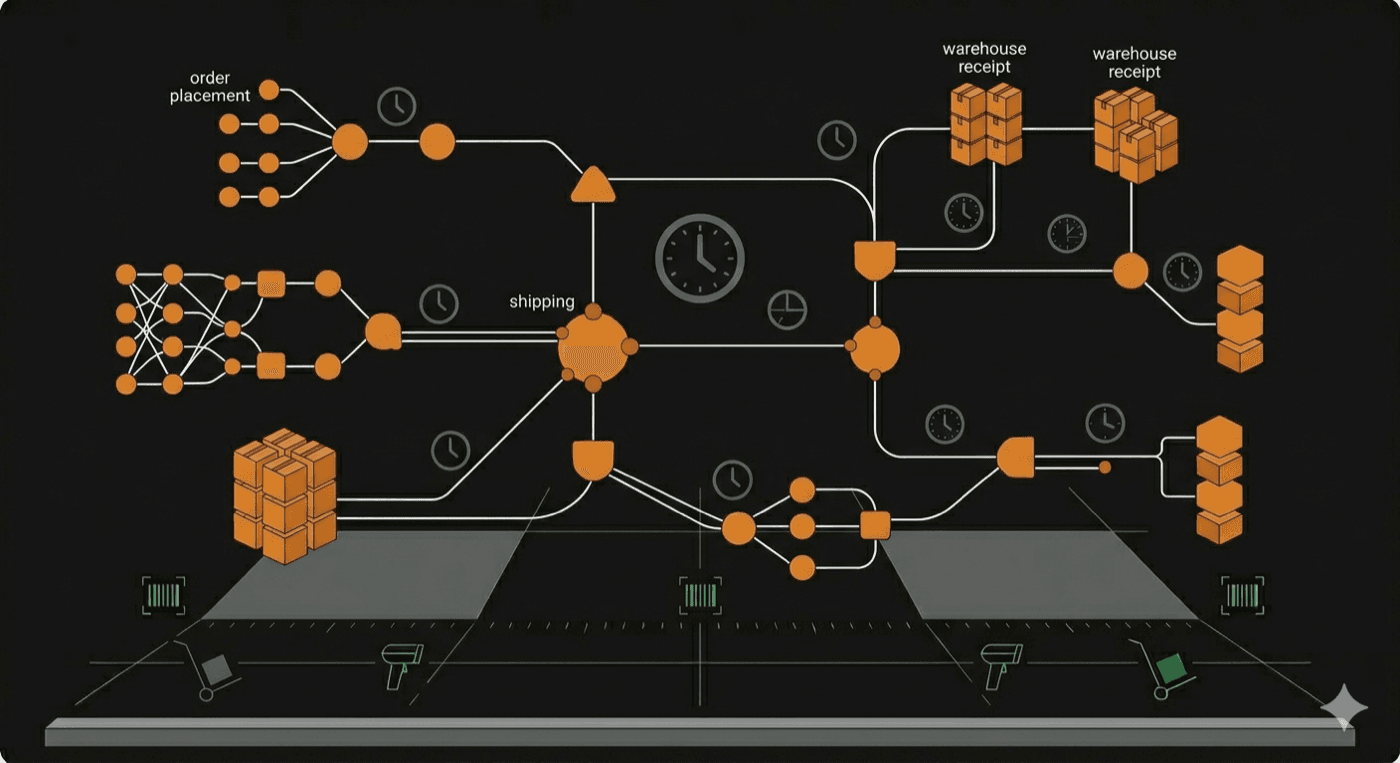
- Inventory ties up cash before it becomes an expense. You pay suppliers months before a unit sells. Your bank balance and your profitability tell two different stories, which is why cash flow and profit diverge more violently in ecommerce than almost any other business.
- Every channel has its own fee structure. Referral fees, fulfillment fees, payment processing, chargebacks: each marketplace takes a different cut in a different way. Our fee calculators exist because almost nobody can recite their true take-rate per channel.
- Returns and refunds rewrite history. A sale booked in March can partially un-happen in April. Your books need a consistent way to handle the return rate without double-counting.
COGS and Inventory: Where Profit Hides
Cost of goods sold is the single number most ecommerce operators get wrong, and every margin figure downstream inherits the error. The formula is simple:
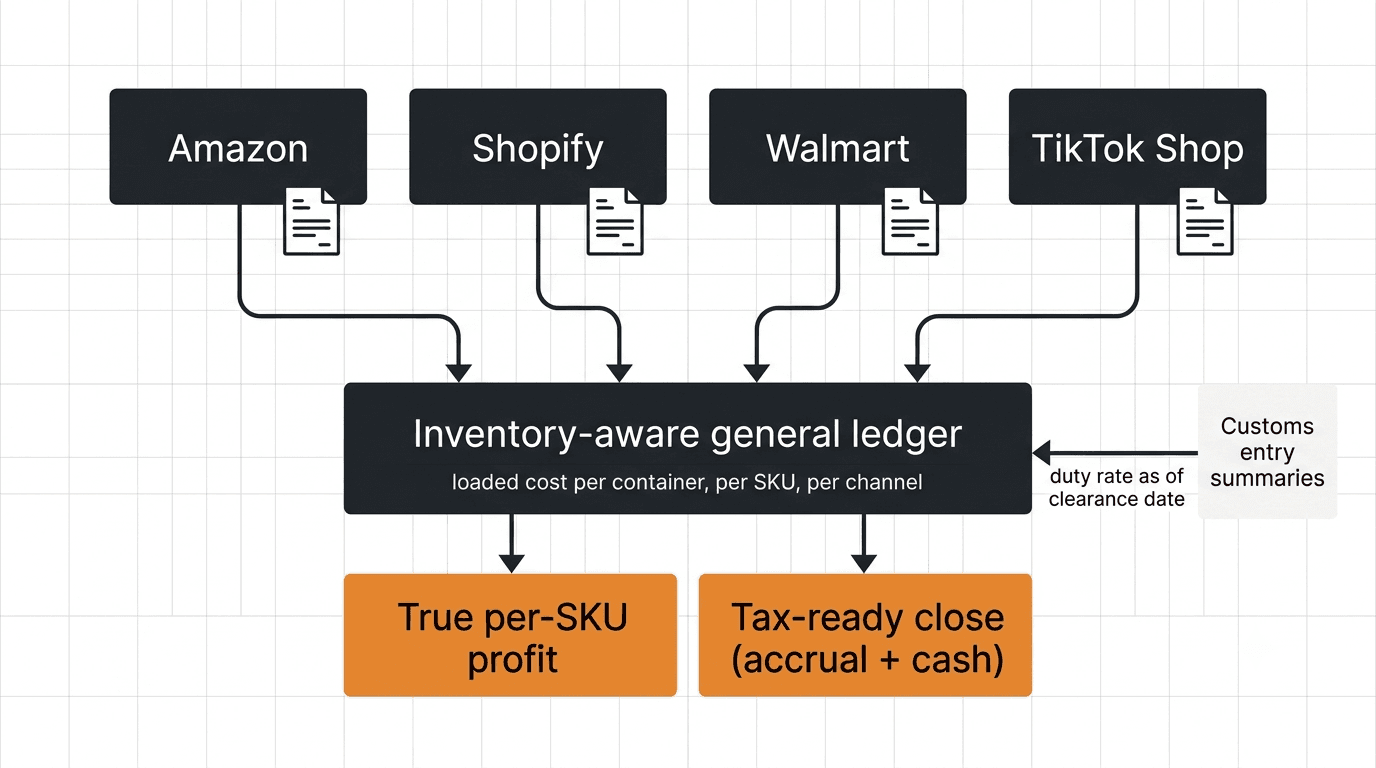
The judgment calls are in the inputs. True per-unit cost means landed cost: product cost plus freight, duties, and inbound shipping allocated to each SKU. And your inventory method, FIFO, LIFO, or weighted average, decides which costs flow into COGS first, which changes reported profit whenever your supplier prices move. Inventory discipline also drives purchasing: reorder timing comes from the reorder point formula, order sizing from economic order quantity, and product-line decisions from product profitability analysis.
Marketplace Settlements and Fees
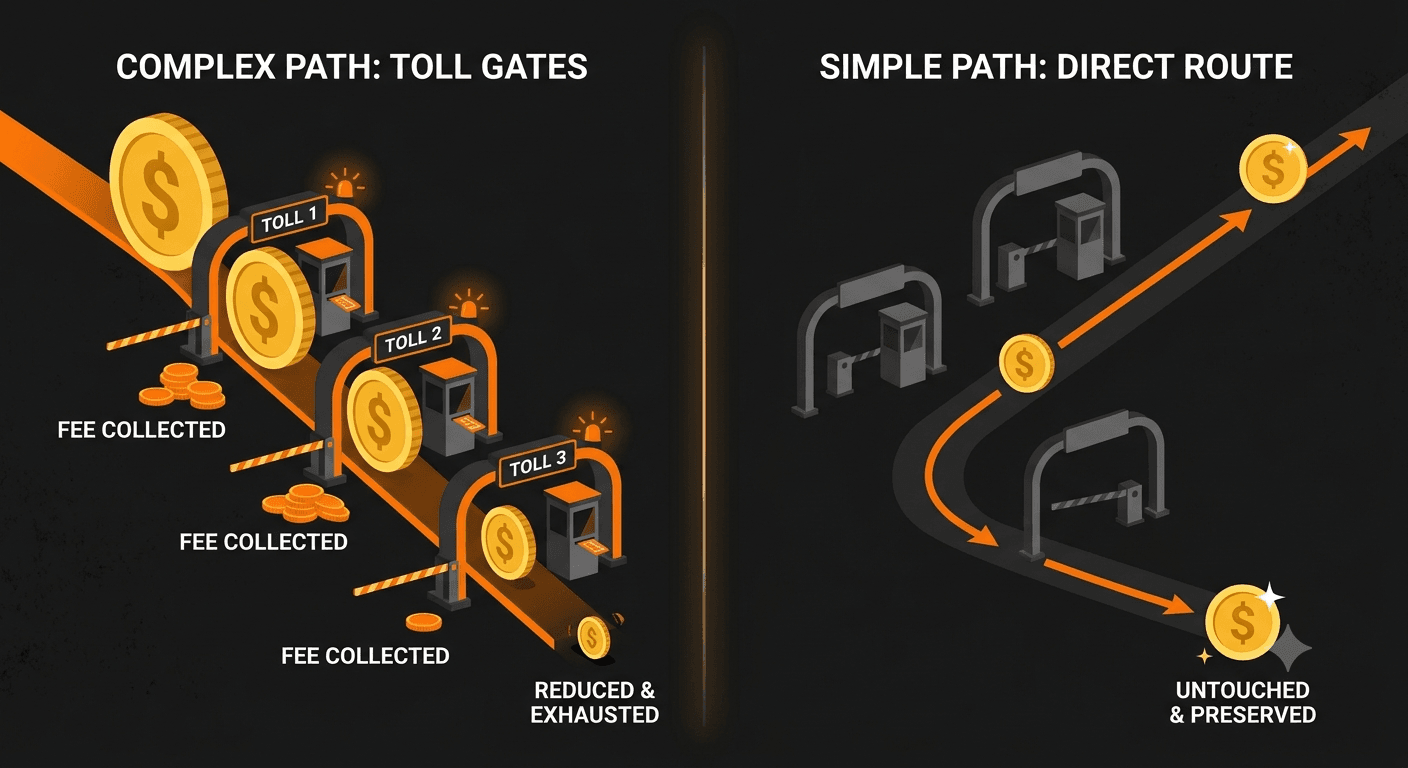
The deposit that hits your bank is not revenue. It's a settlement: gross sales minus referral fees, fulfillment fees, ad spend deducted at source, refunds, and rolling reserves. Clean books decompose every settlement so gross revenue, each fee type, and refunds land in their own accounts.
This is also where money silently disappears. Amazon sellers routinely leave reimbursements for lost and damaged inventory unclaimed, and few operators can say what a channel costs them end to end. Compare structures with our Amazon vs. Shopify fee comparison, or go deeper on Amazon's fee stack.
The fee stack is also why sales growth and profit growth are different numbers. On a typical private-label product, about 17 cents of every added sales dollar reaches gross profit after referral fees, fulfillment, and the ad spend that drove the sale.
Cash vs. Accrual for Sellers
On a cash basis, a $60K inventory purchase makes June look catastrophic and September look brilliant. On an accrual basis, the cost hits when units sell, so each month's margin is real. Beyond hobby scale, operators need accrual books for decisions; many still file taxes on a cash basis where eligible. The full trade-offs are in our guide to accrual vs. cash basis accounting.
Sales Tax Across Channels
Marketplace facilitator laws mean Amazon, Walmart, and most marketplaces collect and remit sales tax for you. Your own Shopify store is different: nexus rules by state decide where you must register, collect, and file. The operational rule: track where your inventory sits (3PL and FBA warehouses create physical nexus) and where your sales cross economic-nexus thresholds, and never book collected tax as revenue, it's a liability you're holding for the state.
The Ecommerce P&L That Shows Truth
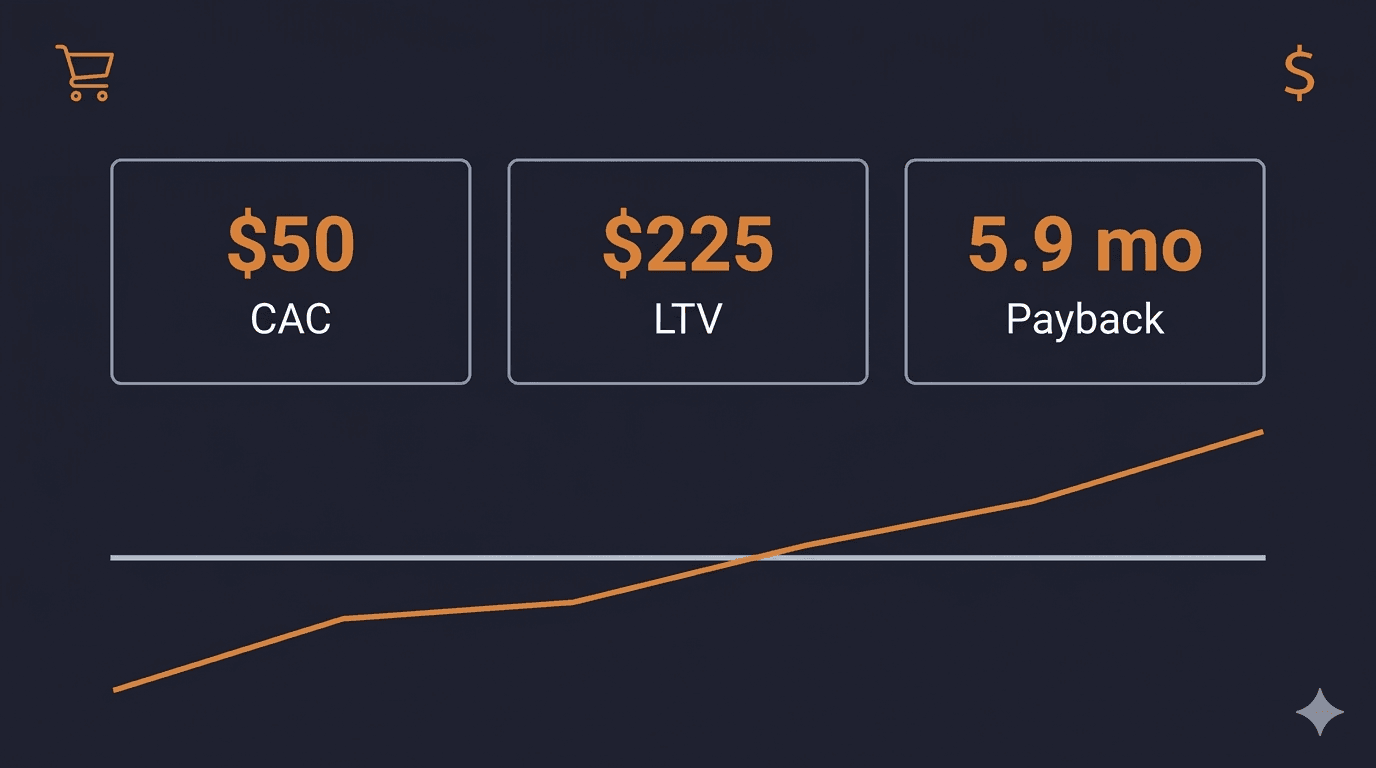
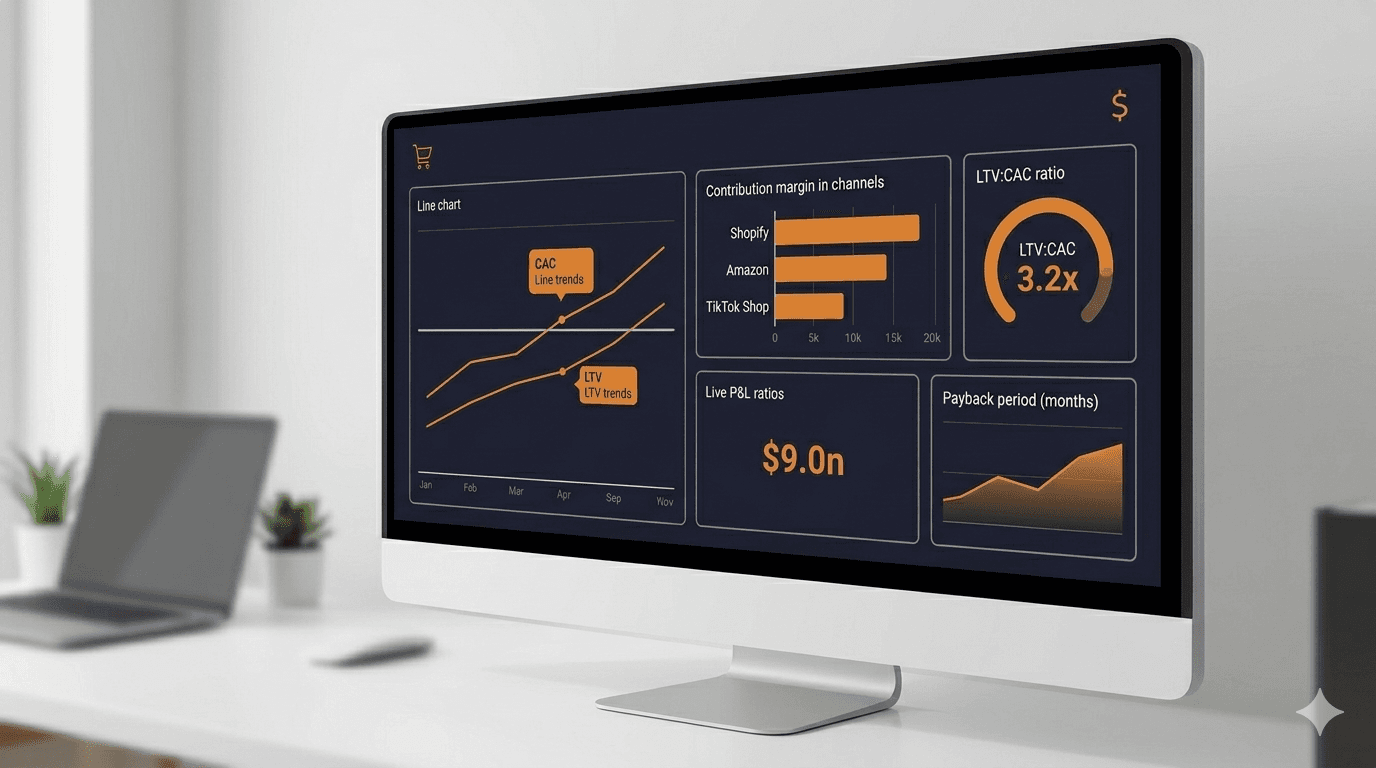
A generic chart of accounts produces a P&L that answers an accountant's questions, not an operator's. The ecommerce P&L worth reading steps down from gross sales through returns, channel fees, landed COGS, and fulfillment to gross margin, then through ad spend to contribution margin per channel. That's the number that tells you whether growth is worth buying. Pair it with the KPI dashboard and CAC, LTV, and payback discipline, and review weekly, sellers who run the numbers once and move on always find the problem months late.
Working capital is the other half of the picture: the working capital blueprint and a 13-week cash flow forecast keep a profitable brand from dying of a timing problem.